Homeowners in Middlefield, CT know the pattern well: the first hard frost hits Powder Ridge, the thermostat creeps up, and the gas bill follows. Heating costs in Middlesex County rise fast when a furnace runs below its peak. Regular furnace service changes that equation. With an annual tune-up and smart mid-season checks, a home can run warmer and spend less, even during a February cold snap along the Coginchaug River.
Direct Home Services sees this daily. Small adjustments show up as real savings on the utility bill. A clean burner assembly, a calibrated thermostat, or a fresh MERV 11 filter reduces runtime and fuel waste. The home heats faster. Rooms feel even. Safety margins improve. The furnace lasts longer. That is the power of planned maintenance over guesswork.
Why a tuned gas furnace uses less fuel
A gas furnace converts fuel into heat by pushing combustion gases through a heat exchanger and sending warmed air through ductwork. Any resistance in this chain wastes fuel. Dirt on the burner raises the gas-to-air ratio and burns less cleanly. A weak draft inducer motor fails to pull flue gases efficiently, which lowers heat transfer. A clogged air filter slows airflow across the heat exchanger and forces longer cycles. Each issue adds minutes to every call for heat and dollars to each bill.
During a seasonal tune-up, a technician corrects these losses. Cleaning the flame sensor prevents ignition lockout, which reduces false starts that burn gas with no payoff. Adjusting gas pressure at the valve brings combustion back into the ideal range. Lubricating the blower fan lowers amp draw. Verifying temperature rise across the furnace keeps operation inside spec. These are small, exact corrections with large cumulative impact across a Middlefield winter.
The Middlefield climate puts systems to the test
Middlefield is a semi-rural New England town with real swings in temperature. Daytime thaw, nighttime freeze, wind off Lake Beseck, and long cold snaps all drive short cycling if a system is dirty or misadjusted. Forced-air heating that runs well on a mild December day can stumble during a January nor’easter. That is why annual gas furnace services matter here more than in milder regions.
Direct Home Services works across Reeds Gap, Baileyville, Jackson Hill, and Rockfall. Older colonials near the Durham line often have longer duct runs and mixed insulation levels. Renovated homes around Lake Beseck sometimes pair newer high-efficiency equipment with legacy ductwork. The team accounts for these variables during a tune-up. The goal is steady airflow, balanced delivery, and a fuel curve that matches the home’s envelope.
Real savings from routine service
Savings depend on starting condition, equipment age, and usage, but the field data is consistent. In homes with heavy dust and overdue filter changes, a single tune-up can trim gas usage by a noticeable percentage. Two examples from recent Middlefield calls help illustrate the point.
A home near Lyman Orchards called for high utility bills and cool bedrooms. The system was a mid-efficiency natural gas furnace with a two-stage burner. The return filter was packed. The flame sensor had a thin oxide layer. The draft inducer motor bearings squealed at startup. After cleaning the burner assembly and sensor, replacing the filter with MERV 11, and resolving the inducer noise, the supply temperature stabilized and runtime per cycle dropped by around 20 percent on a similar outdoor temperature day. The owner reported a lower bill the next month, with better comfort.
In Rockfall, a propane furnace short cycled every six to eight minutes. The limit switch tripped due to restricted airflow and a high temperature rise. A 21-point safety inspection found the blower wheel coated with dust, which flattened the blades and reduced airflow. A thorough cleaning and a fresh filter returned the temperature rise to spec. The system shifted back to longer, steadier cycles, which used less fuel and avoided repeated ignitor stress.
Warning signs that drive costs up
Short cycling is a classic money sink. It usually points to a clogged filter, a blocked vent pipe, a failing draft inducer motor, or a faulty limit switch. Each start pulls a burst of current and burns gas for warmup without delivering full heat to the rooms. Frequent cycling wears out the ignitor, stresses the heat exchanger, and raises bills.
Uneven heating also wastes fuel. If the blower motor is struggling or if duct leaks steal heat into the attic or basement, the thermostat calls for longer cycles. The main floor warms while bedrooms lag, pushing the system to overwork.
Pilot light and ignition issues matter for both safety and cost. A yellow flame, loud clicking on start, or a gas smell indicates a burner, thermocouple, or gas valve problem. Dirty burner ports or a misaligned flame can reduce heat transfer and dump unburned fuel. This raises risk and lowers efficiency.
A metallic banging noise is not just annoying. It can signal delayed ignition, expanding ductwork from excessive temperature rise, or a loose blower. Each case costs fuel and can damage parts if left alone.
What a proper annual tune-up includes
Direct Home Services treats an annual tune-up as a safety-first, efficiency-focused visit. The technician inspects and cleans parts that drive combustion quality and airflow. The work is systematic and code-aware, and it is matched to Middlesex County homes and their real heating loads.
The inspection centers on the heat exchanger. Hairline fractures can leak flue gases and carbon monoxide into the airstream. The technician uses light, mirrors, or camera tools to check seams and bends. Any suspected crack triggers a formal replacement discussion, because no amount of cleaning offsets a compromised exchanger.
The team also measures draft, confirms vent pipe condition, and checks the inducer motor for smooth operation. Burner assembly cleaning brings the flame back to a steady blue. Flame sensor polishing prevents nuisance shutdowns. Gas pressure and manifold settings are verified. The blower fan is inspected for dust buildup and balanced for smooth operation. The limit switch is tested. Filters are replaced and sized correctly, often MERV 11 or MERV 13 if the duct system can handle the static pressure. Thermostat settings are confirmed, including staging on two-stage and modulating units.
On condensing furnaces, the technician clears the condensate trap and line. A blocked drain can trip the safety switch and shut down heat on the coldest days. Heat exchanger secondary coils are inspected for blockage, which can raise temperature rise and undercut efficiency.
Parts that drive efficiency and reliability
The heat exchanger is the heart of the system. Even tiny cracks change flame behavior and leak dangerous gases. The blower fan determines delivered heat per watt. Dust on its blades can raise current draw and lower airflow by double-digit percentages. The draft inducer motor sets the tone for clean combustion; a failing bearing or weak start compromises venting and can trigger a noisy, costly cycle pattern.
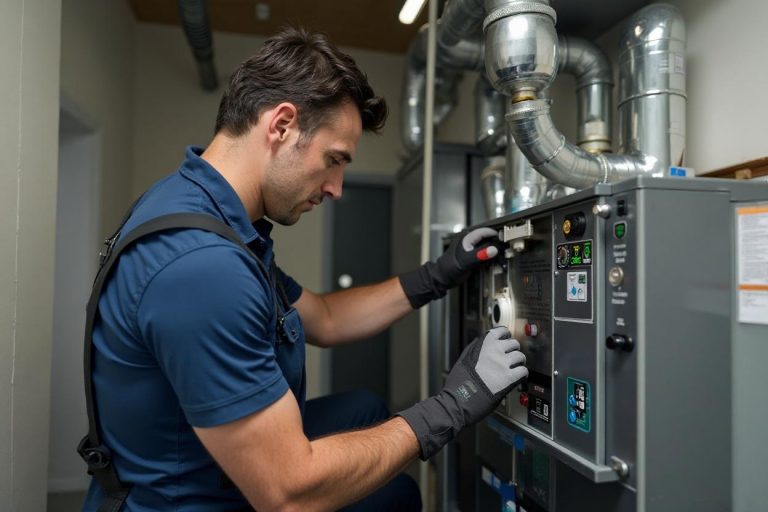
The gas valve and burner assembly shape the flame. If the valve is miscalibrated or the burner ports are dirty, the system burns richer, produces yellow tips, and leaves soot. The flame sensor and ignitor govern reliable starts. Dirty or weak, they trigger lockouts and waste gas in repeated tries.
The limit switch protects the furnace from overheating. If it trips often, it means airflow is low or temperature rise is too high. That should prompt a duct check, filter change, or blower cleaning rather than repeated resets. Keeping these parts in shape is the quickest route to lower bills.
High-efficiency equipment and how service sustains it
High-efficiency condensing furnaces with 90 percent or greater AFUE deliver strong savings in Middlefield, especially in two-story homes and homes near the Coginchaug River with wind exposure. Two-stage and modulating furnaces run longer at low fire, which smooths temperatures and uses less gas per hour. That advantage disappears if the system is dirty. A neglected condensing coil or blocked condensate line forces high fire cycles and reduces the very gains the homeowner paid for.
Direct Home Services installs and maintains high-efficiency systems from trusted brands. The team is a Carrier authorized specialist and installs Infinity series furnaces for homeowners who want fine-tuned comfort and strong savings. Technicians also maintain Rheem, Bryant, Goodman, York, Lennox, Trane, American Standard, and Mitsubishi hybrid or dual-fuel setups. A proper setup means verified static pressure, correct gas pressure, matched thermostat logic, and clean venting. A proper tune-up each year keeps the AFUE close to rated performance.
Local service that shortens downtime
Location matters during a cold snap. Direct Home Services operates minutes from Lyman Orchards and responds quickly across the Coginchaug Valley. The company offers priority heating repairs for homes throughout Middlefield and Rockfall in the 06455 and 06481 zip codes, with daily routes into Middletown, Durham, Meriden, Wallingford, and Higganum. Homeowners near Powder Ridge and Wadsworth Falls State Park benefit from short travel times. That speed matters when a limit switch trips at 10 p.m. and the house is losing heat.
A simple maintenance rhythm for lower bills
- Replace the air filter every 60 to 90 days during the heating season, or monthly if running MERV 13 and the home has pets or construction dust. Schedule an annual tune-up before the first frost. Ask for a combustion analysis and a temperature rise check. Keep supply and return vents open and clear. Closing vents raises static pressure and spikes fuel use. Watch for short cycling, unusual noises, or a yellow flame. Call early before a small fault becomes a major repair. If bills jump without a weather reason, request an energy audit and a duct leakage test.
What service looks like during a visit
A Middlefield homeowner near Lake Beseck scheduling a $99 Seasonal Furnace Safety Inspection sees a precise process. The technician arrives with a CT S-1 license and NATE certification, verifies system type and model, and listens to any reported symptoms. The inspection starts at the thermostat. The system runs through a heating call while the tech monitors ignition timing, flame quality, blower start, and temperature rise.
At the furnace, the burner compartment opens. The flame sensor is removed and cleaned. The ignitor is inspected for surface cracks. The draft inducer motor spins by hand to check for resistance, and amp draw is measured. The gas valve pressure is measured at the manifold. The heat exchanger is inspected for stains, rust lines, or visible cracks. On condensing units, the secondary heat exchanger and condensate trap are cleared. The blower wheel is examined and cleaned if necessary. The filter is measured, replaced, and the homeowner is given the date for the next change. Duct connections near the plenum are checked for air leaks, and any obvious gaps are sealed.
Combustion analysis is performed where applicable, especially on high-efficiency systems. Readings guide fine adjustments to improve both safety and efficiency. The technician explains the findings in clear terms, including any early signs of part wear, from a draft inducer motor with rising amps to a limit switch that trips under load.
Repair vs. replacement: finding the savings line
Repair makes sense when the furnace is under 12 to 15 years old, parts are available, and the heat exchanger is intact. Common repairs that restore efficiency include cleaning a dirty flame sensor, replacing a weak ignitor, fixing a stuck gas valve, or installing a new draft inducer motor. Each of these repairs, when paired with a tuned system, can extend life and reduce fuel waste.
Replacement is worth a serious look if the heat exchanger is cracked, if repairs sum to more than a third of the value of the furnace, or if the unit is a low-efficiency model that runs many professional gas furnace services hours in winter. A high-efficiency condensing furnace with a modulating burner and a smart thermostat can save a meaningful percentage on annual gas costs in Middlefield’s climate. Direct Home Services offers free estimates on Energy Star rated systems, financing options, and clear brand comparisons between Carrier, Trane, Lennox, American Standard, Rheem, Bryant, Goodman, and York.
Safety and savings go hand in hand
Carbon monoxide risk rises with poor combustion and bad venting. It rises further with a cracked heat exchanger. Service aimed at safety—checking the heat exchanger, clearing the vent pipe, verifying draft—also restores fuel efficiency. Exhaust that moves smoothly and combustion that burns cleanly means more heat into the home and less waste up the flue. Homeowners should pair annual furnace service with a working carbon monoxide detector near sleeping areas and on each level.
What homeowners in Middlefield can expect from Direct Home Services
Direct Home Services is licensed and insured, with CT S-1 licensed technicians who follow local code. The company is BBB accredited and maintains NATE-certified staff. Service trucks carry common parts, from limit switches and ignitors to thermocouples and gas valves, which shortens downtime. The team offers 24/7 emergency dispatch during blizzards and cold snaps, and backs repairs with clear parts and labor warranties.
The company provides a 21-point safety and efficiency inspection focused on the heat exchanger, draft inducer motor, blower fan, gas valve settings, and temperature rise. For homeowners interested in deeper savings, an energy audit and duct assessment can identify leakage that wastes heat. Many homes gain more from sealing and balancing than from turning the thermostat higher.
Common questions from Middlefield homeowners
How often should a gas furnace be serviced? An annual tune-up before the heating season is ideal. Heavy-use homes or homes with renovation dust may benefit from a mid-season check.
What filter should be used? Most systems handle MERV 11 well. Some can run MERV 13, but static pressure must be checked. The right choice improves indoor air quality without restricting airflow.
What if the furnace is short cycling? Check the filter first. If the problem continues, it could be a limit switch issue, a dirty blower wheel, or a failing draft inducer motor. A service visit will identify the exact cause.
Are modulating furnaces worth it in Middlefield? In many cases, yes. They run longer at low fire, which matches New England’s load profile and can reduce fuel use while improving comfort.
Do propane systems need different service? The principles are the same, but combustion settings and regulator conditions matter. A technician will check supply pressure and adjust the burner for clean propane combustion.
The cost of waiting vs. the price of service
Waiting to service the furnace risks a cascade of costs. A dirty flame sensor turns into repeated ignitor failures. A clogged filter turns into a burnt-out blower motor. A weak draft inducer motor turns into heat exchanger stress. Each failure costs more than a planned tune-up and adds fuel waste along the way.
By contrast, regular gas furnace services build savings slowly and steadily. Across one winter in Middlefield, a furnace that starts promptly, breathes freely, and runs within its designed temperature rise will keep bills in check. Rooms feel more even. The system lasts longer. Emergency calls become rare, even on the coldest night near Jackson Hill.
Ready for lower heating costs in Middlefield
Direct Home Services provides gas furnace repair, furnace installation, annual gas furnace services tune-ups, and emergency heating service across Middlefield and Rockfall, including 06455 and 06481. The team services natural gas and propane furnaces, single-stage, two-stage, and modulating systems, and installs high-efficiency condensing furnaces built to handle Connecticut winters. The company also offers energy audits and heating system replacement when it provides a clear savings path.
Schedule the $99 Seasonal Furnace Safety Inspection before the first frost. Ask for a combustion check and a temperature rise reading. If the furnace shows signs of short cycling, yellow flame, metallic banging, or uneven heat, request priority service. For homeowners near Lyman Orchards, Powder Ridge Mountain Park & Resort, Wadsworth Falls State Park, and throughout Middlesex County, a quick tune-up today can mean a smaller gas bill next month.
Contact Direct Home Services to schedule gas furnace services in Middlefield, CT. Keep the home warm, the system safe, and the monthly bill under control.
Direct Home Services provides HVAC repair, replacement, and installation in Durham, CT. Our team serves homeowners across Hartford, Tolland, New Haven, and Middlesex counties with energy-efficient heating and cooling systems. We focus on reliable furnace service, air conditioning upgrades, and full HVAC replacements that improve comfort and lower energy use. As local specialists, we deliver dependable results and clear communication on every project. If you are searching for HVAC services near me in Durham or surrounding Connecticut towns, Direct Home Services is ready to help.
Direct Home Services
57 Ozick Dr Suite I
Durham,
CT
06422,
US
Phone: (860) 339-6001
Website: https://directhomecanhelp.com/
Social Media: Facebook | Instagram
Map: Google Maps